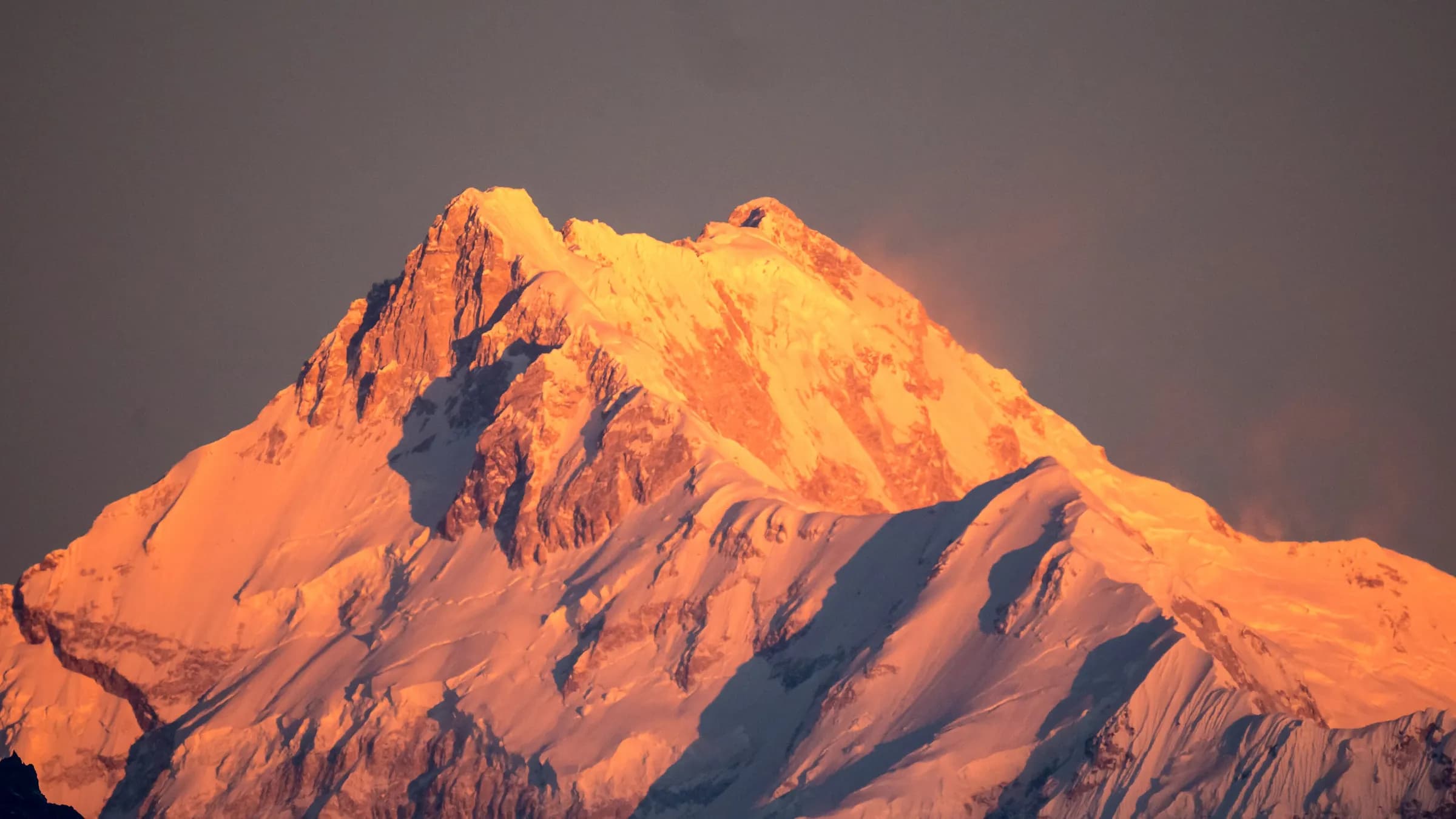
Sikkim is the second-smallest state in India and one of the steepest. In little more than a hundred kilometres from south to north it climbs from the Teesta valley to Kanchenjunga — at 8,586 m the third-highest mountain on earth, and the guardian deity of the state. It borders Tibet, Nepal and Bhutan, and was a kingdom of its own until 1975.
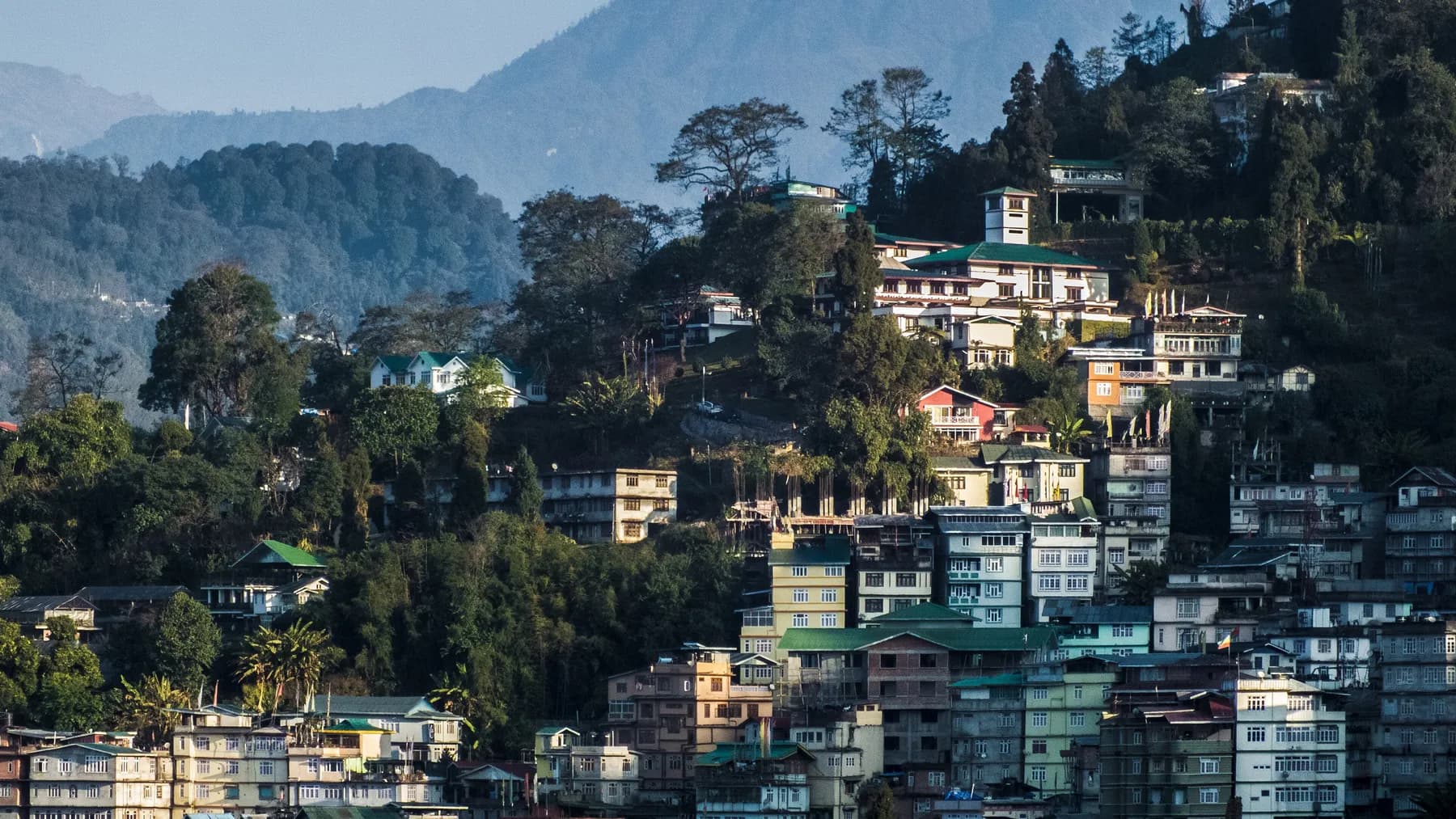
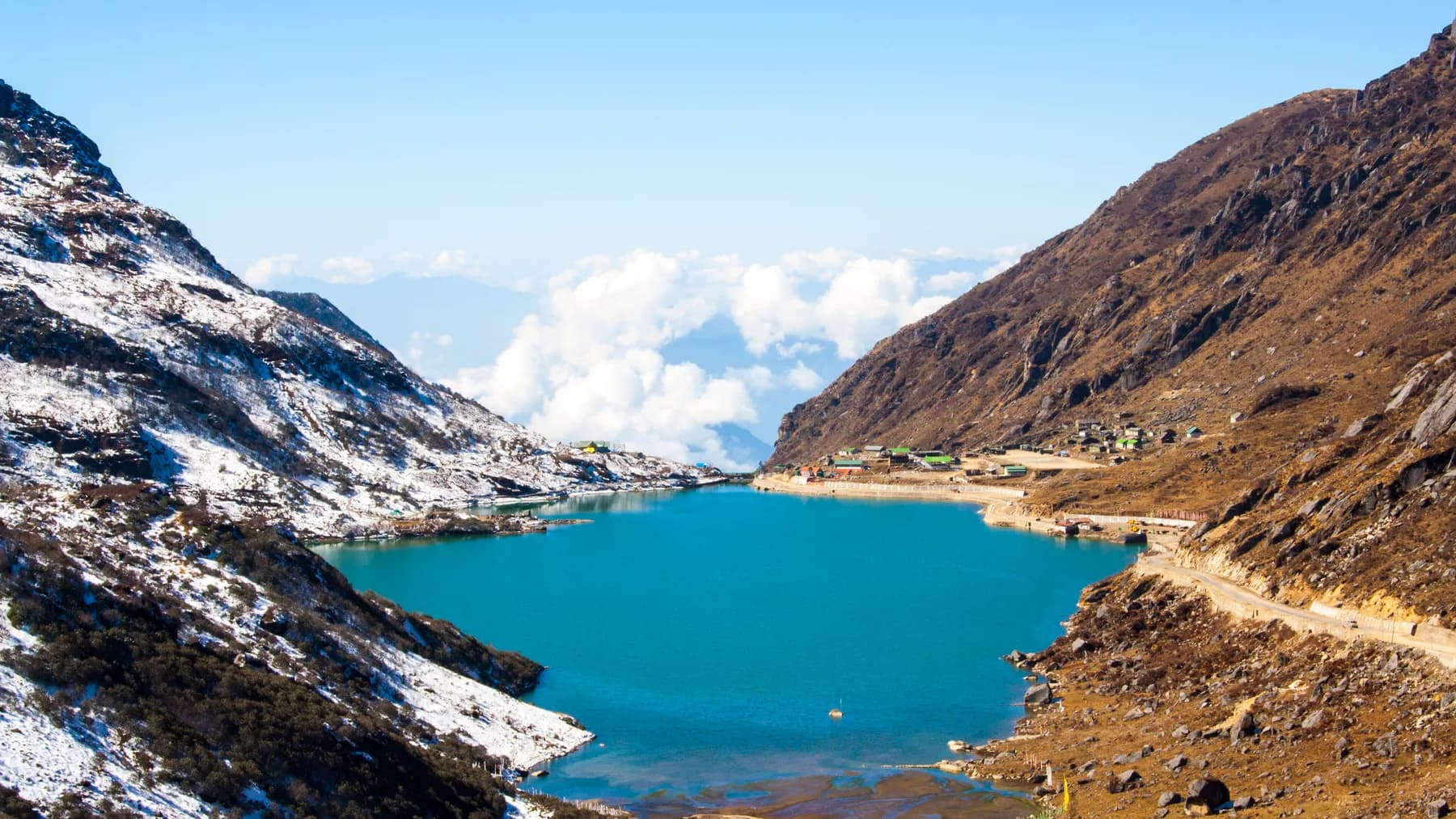
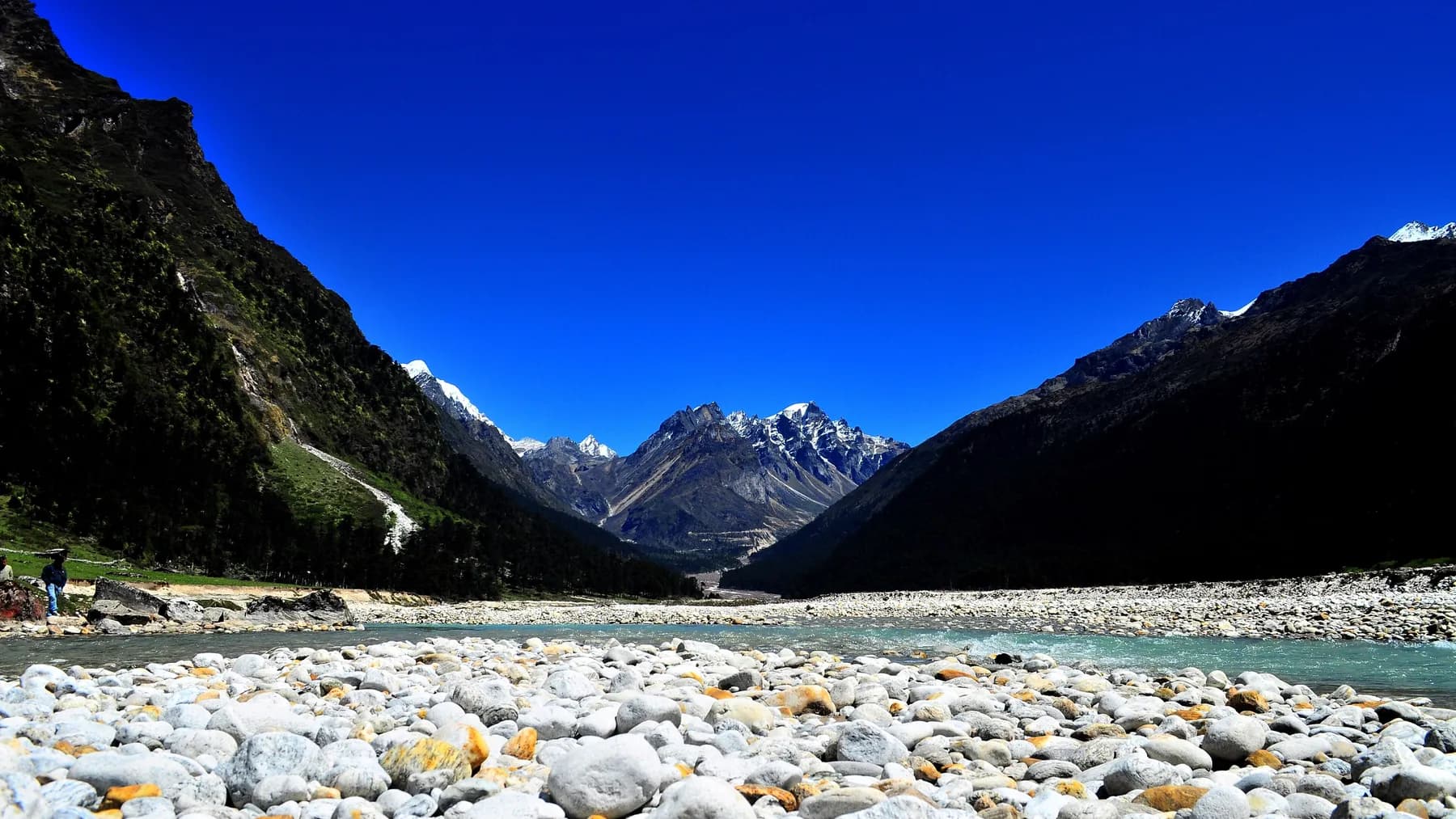
Most journeys begin at Bagdogra or New Jalpaiguri in West Bengal and enter at Rangpo, following the Teesta up to Gangtok. From there the routes fan out: east to Tsomgo Lake and the Nathu La road, north to Lachung and the Yumthang valley, and south and west through Namchi, Ravangla and Pelling, where the monasteries look straight across at Kanchenjunga. Darjeeling, just over the line in West Bengal, is the usual last stop.
Indian travellers need no permit to enter the state, but Tsomgo Lake, Nathu La and North Sikkim are protected areas whose permits are issued only through registered operators — we file them, and you carry photo ID. Nathu La permits are limited and never guaranteed. Foreign nationals need a Restricted Area Permit to enter Sikkim at all, and some of the high areas, Nathu La among them, stay closed to them.